
Rainbow Six Mobile — what changed in the mobile version and how beginners can start
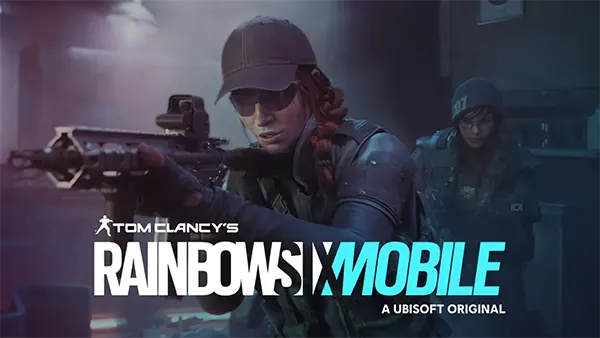
Rainbow Six Mobile is Ubisoft’s attempt to bring the tactical gameplay of the well-known Rainbow Six Siege series to smartphones. Unlike many mobile shooters, this game keeps the core concept of coordinated team operations, destructible environments and operator abilities. By 2026 the project has gone through several beta phases and regional releases, gradually improving stability, controls and matchmaking. For players familiar with the PC or console versions, the mobile edition feels recognisable, yet it introduces several changes designed specifically for touchscreen gameplay and shorter match sessions.
How Rainbow Six Mobile differs from the PC and console versions
The mobile edition keeps the fundamental tactical structure of Rainbow Six Siege: two teams of five players compete in attack and defence rounds where objectives must be secured or protected. However, Ubisoft redesigned several elements to ensure matches remain manageable on mobile devices. Rounds are slightly faster, menus are simplified and the interface is adapted for touch controls. These adjustments allow matches to fit typical mobile play sessions without losing the strategic core.
Another noticeable difference is the map pool and operator selection. Rainbow Six Mobile initially launched with a smaller set of maps, including well-known locations such as Bank and Border, carefully optimised for mobile performance. Operators are introduced gradually, with balanced ability sets that work well with touch-based aiming and movement. This slower rollout also helps developers monitor balance and gameplay stability.
Technical optimisation plays a significant role as well. The game uses a modified engine pipeline that scales graphics depending on device capabilities. Players with mid-range smartphones can still access stable performance by lowering visual settings, while modern devices support improved textures and higher frame rates. By 2026 many updates have focused specifically on performance consistency across Android and iOS hardware.
Gameplay mechanics adapted for touchscreen controls
One of the biggest design challenges was translating the precision mechanics of Rainbow Six Siege to touchscreen controls. Ubisoft addressed this by allowing extensive customisation of the control layout. Players can reposition buttons for aiming, shooting, leaning and gadget usage, making it possible to create a setup similar to other competitive mobile shooters.
The game also includes optional aim assistance and contextual interaction prompts. These systems do not remove the need for skill but help compensate for the limitations of touchscreen aiming. Leaning mechanics, wall breaches and gadget deployment remain part of gameplay, ensuring that tactical planning still matters as much as mechanical accuracy.
Another adjustment involves visibility and UI clarity. Mobile screens are smaller than typical PC monitors, so information such as operator abilities, objective status and team communication indicators is displayed in a simplified format. This helps players track the situation without overwhelming the screen with excessive interface elements.
What new players should know before starting
Rainbow Six Mobile can feel demanding for beginners because it rewards careful positioning and team coordination rather than constant movement. The first step for new players is learning the objectives of each round. Attackers must locate and secure a target area or eliminate defenders, while defenders fortify rooms and delay enemy entry.
Understanding operators is another important part of the learning process. Each operator has a specific gadget or ability that affects strategy. Some characters specialise in breaching reinforced walls, while others provide surveillance tools or defensive traps. Spending time in the tutorial and training modes helps new players become familiar with these mechanics before entering competitive matches.
Communication also plays a major role in success. Even when voice chat is not used, the game provides a ping system that allows players to mark enemy positions or important areas on the map. Coordinated teams usually outperform players who act independently, especially during objective defence.
Simple steps to enter the game smoothly
The easiest way to begin is by completing the training missions that introduce basic mechanics such as barricading doors, reinforcing walls and using operator gadgets. These tutorials explain how destructible environments influence tactical decisions, which is one of the defining characteristics of the Rainbow Six series.
After training, new players often benefit from starting with straightforward operators. Characters with simple abilities allow beginners to focus on movement, aiming and map awareness rather than complex gadget management. Gradually expanding the operator pool helps develop a better understanding of team strategies.
Finally, beginners should pay attention to sound and positioning. Footsteps, breaching sounds and gadget deployment provide important clues about enemy activity. Using headphones and moving carefully through corridors can significantly increase survival chances, even for players with limited experience in tactical shooters.

How Rainbow Six Mobile has evolved by 2026
Since its early test versions, Rainbow Six Mobile has received several updates aimed at improving stability and competitive balance. Developers introduced additional operators, refined matchmaking systems and improved anti-cheat measures to maintain fair gameplay. These updates gradually transformed the game from a technical experiment into a stable multiplayer title.
Another major development concerns cross-regional server optimisation. Early beta tests revealed latency problems in certain regions, especially during peak hours. Later updates introduced improved server infrastructure and regional matchmaking pools, which significantly reduced lag for many players.
The game’s progression system has also been adjusted over time. Players now unlock operators and cosmetic items through seasonal events, challenges and ranked progression. This structure encourages regular play while avoiding excessive grind, which is often criticised in mobile multiplayer games.
The future direction of the mobile tactical shooter
Ubisoft continues to position Rainbow Six Mobile as a long-term competitive project rather than a short-lived mobile adaptation. The roadmap includes additional maps, operator rotations and seasonal balance updates inspired by the main Rainbow Six Siege ecosystem.
Esports integration is another possible direction. While the mobile competitive scene is still developing, Ubisoft has already experimented with community tournaments and regional competitions. If the player base continues to grow, structured leagues could appear in the coming years.
For players interested in tactical shooters on mobile devices, Rainbow Six Mobile represents one of the most detailed attempts to replicate complex team-based gameplay on smartphones. With ongoing updates and technical improvements expected beyond 2026, the game continues to evolve while keeping the strategic identity that made the original series popular.