
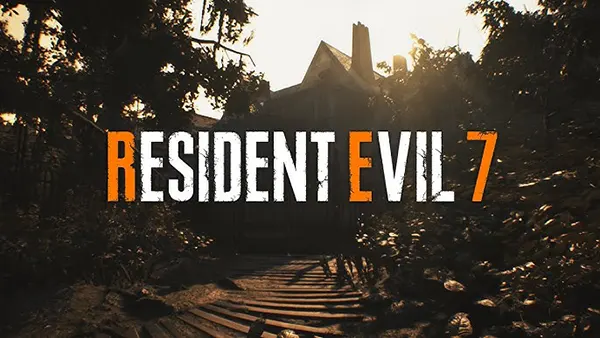
Resident Evil 7 on iPhone — Is Console Horror Ready for Mobile Gaming?
Resident Evil 7 marked a major turning point for Capcom when it launched in 2017. The series moved away from large-scale action and returned to slower, more psychological survival horror. In 2024, the company released the game on iPhone 15 Pro, iPhone 15 Pro Max and newer Apple devices with A17 Pro and A18 chips. By 2026, the mobile version has become one of the most discussed examples of AAA console gaming on smartphones. The release raised a practical question for players and developers alike: can a complex horror game designed for consoles truly work on a handheld device without losing its atmosphere, technical quality and gameplay depth?
Why Resident Evil 7 Became an Important Test for Mobile Gaming
The mobile gaming market has changed significantly over the past few years. Smartphones are no longer limited to lightweight arcade titles or simplified shooters. Apple and other hardware manufacturers started promoting high-performance chips capable of ray tracing, console-level rendering and advanced lighting systems. Resident Evil 7 became one of the first major horror games to test these claims in a real commercial release.
Unlike many mobile adaptations from the past, Resident Evil 7 on iPhone is not a reduced version with simplified mechanics or downgraded locations. The game includes the original campaign, realistic lighting, advanced shadows and the same tense atmosphere found on PlayStation, Xbox and PC. Capcom used its RE Engine to scale visual settings dynamically depending on the device temperature and available performance. This allowed the game to maintain stable gameplay without removing core elements.
Another important factor is the type of gameplay Resident Evil 7 offers. Horror games rely heavily on audio design, detailed environments and immersion. Mobile devices traditionally struggle with long gaming sessions because of heat, battery drain and touch controls. By bringing a slow-paced survival horror experience to iPhone, Capcom effectively tested whether players were willing to treat smartphones as serious gaming hardware instead of secondary entertainment devices.
How the iPhone Version Differs from Traditional Console Releases
The iPhone edition includes several technical adjustments that separate it from console versions. Dynamic resolution scaling is used aggressively to maintain smooth frame rates during intense scenes. Texture quality remains high, but some environmental effects are reduced compared to PlayStation 5 or high-end gaming PCs. Even so, the visual difference is smaller than many players expected before launch.
Control systems became one of the largest adaptation challenges. Resident Evil 7 supports touchscreen controls, but Capcom clearly designed the experience around external controllers. Players using Bluetooth gamepads receive much more accurate aiming and smoother movement. The touchscreen option works for exploration, though combat sections can feel slower and less responsive compared to traditional console hardware.
Battery performance also became a major discussion point among users. Long sessions with maximum graphics settings can significantly increase device temperature, especially on older supported iPhones. In practical use, many players lower brightness or use performance-focused graphics presets to extend playtime. By 2026, software optimisation updates improved stability, but Resident Evil 7 still pushes mobile hardware harder than most App Store releases.
Technical Performance and Visual Quality in 2026
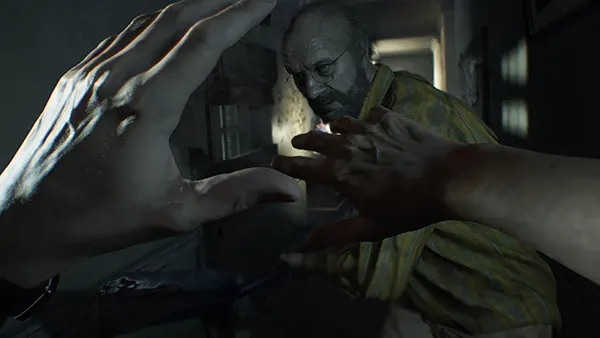
In 2026, mobile processors have reached a level that was difficult to imagine only a few years ago. The latest iPhone chips handle complex lighting systems, large texture files and cinematic rendering techniques that were previously limited to consoles. Resident Evil 7 demonstrates these capabilities clearly during dark corridor exploration, realistic facial animations and detailed environmental effects inside the Baker estate.
Frame rate stability depends heavily on device generation. iPhone 15 Pro and later models run the game considerably better than early compatible devices. On newer hardware, players can maintain smoother performance with improved shadow rendering and more stable image quality. However, the game still benefits from active cooling conditions, especially during extended sessions exceeding one hour.
Audio quality remains one of the strongest aspects of the mobile release. Resident Evil 7 relies heavily on environmental sounds, distant footsteps and subtle background noise to create tension. Using high-quality headphones on iPhone delivers an experience surprisingly close to console gaming. Spatial audio support further improves immersion, particularly during stealth sections and encounters with the Baker family.
Can Mobile Hardware Handle Full AAA Horror Experiences?
Resident Evil 7 proved that modern smartphones can technically run large-scale horror games without major content cuts. However, this achievement also revealed several practical limitations. Storage requirements remain extremely high for mobile users, with the complete installation taking dozens of gigabytes once additional content and updates are included.
Another challenge involves player behaviour. Mobile gaming sessions are usually shorter than console play sessions. Resident Evil 7 was originally designed for long, uninterrupted gameplay where tension gradually builds over time. On smartphones, many players interrupt sessions frequently because of notifications, battery concerns or general mobile usage habits. This can weaken some of the pacing that made the original game effective.
Despite these limitations, Resident Evil 7 opened the door for additional AAA releases on iPhone. Following its launch, other publishers expanded support for high-end mobile devices with full-scale action and horror titles. By 2026, the conversation has shifted from whether smartphones can run console games to whether players genuinely prefer using phones for these experiences instead of dedicated gaming systems.
The Future of Console Horror on Smartphones
Resident Evil 7 represents more than a single mobile port. It reflects a larger shift in how publishers view premium mobile gaming. Instead of creating separate mobile adaptations with simplified gameplay, companies increasingly release identical versions across multiple systems. This reduces development fragmentation and gives players access to consistent experiences regardless of device.
Cloud gaming also plays a growing role in this transition. While Resident Evil 7 runs natively on supported iPhones, streaming technology continues improving across Europe and other major markets. Some publishers now combine local rendering with cloud-assisted processing to reduce hardware pressure. This approach could allow even more demanding horror games to appear on mobile devices over the next few years.
Consumer expectations are changing as well. Players increasingly compare mobile releases directly against console versions rather than judging them as separate products. Resident Evil 7 succeeded partly because Capcom avoided heavily reducing the game for smartphones. Maintaining visual identity, atmosphere and gameplay systems helped the mobile edition feel authentic instead of experimental.
What Resident Evil 7 Reveals About Mobile Gaming Trends
The success of Resident Evil 7 on iPhone highlights how quickly the mobile gaming market is evolving. Premium releases with advanced graphics are becoming more common, especially among users willing to pair smartphones with controllers and external displays. Mobile devices are increasingly functioning as hybrid entertainment systems rather than casual-only gaming hardware.
At the same time, the game also demonstrated that technical capability alone is not enough. User comfort, battery efficiency and control precision remain critical factors for long-form horror experiences. Developers still need to balance visual ambition with practical usability if they want players to complete demanding games on mobile devices.
By 2026, Resident Evil 7 remains one of the clearest examples of console-quality horror successfully transitioning to smartphones. The game does not completely replace traditional console gaming, but it proves that mobile hardware is now capable of delivering serious survival horror experiences with surprisingly few compromises. For many players, that shift seemed unrealistic only a few years ago.