
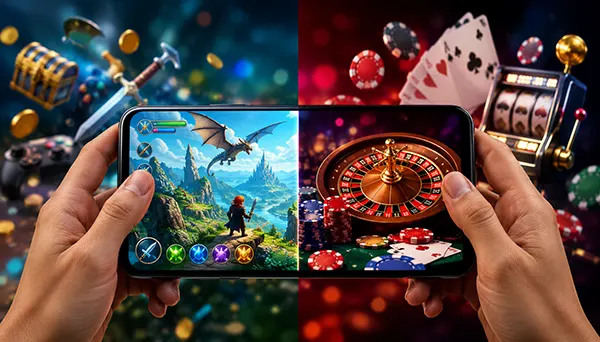
Mobile Games vs Online Casinos: How the Smartphone Player Experience Differs
Smartphones have become the primary gaming device for millions of people. Whether someone spends a few minutes completing a puzzle, building a virtual city, or playing casino games, the experience is shaped by the design of the application and the expectations of the player. Although mobile games and online casinos are both forms of digital entertainment, they are built around different goals, reward systems, and patterns of engagement. Understanding these differences helps explain why players interact with them in distinct ways.
Different Goals and Motivations
Most mobile games are designed around progression. Players unlock new levels, collect items, complete missions, and improve their skills over time. Success is often measured through achievements, rankings, or story advancement. The sense of development encourages users to return regularly and continue building their progress.
Online casinos operate differently. While some casino games include loyalty programmes and achievements, the central activity is wagering on games of chance. Many modern casino websites, including Nolimit way, focus on providing quick access to slots, table games, and live dealer experiences on smartphones. Players are usually focused on individual gaming sessions rather than long-term character or account development, and outcomes depend largely on game rules and probability rather than progression mechanics.
This difference influences player behaviour. Mobile gamers often invest time to reach future goals, whereas casino players are typically more interested in immediate entertainment and short-term outcomes. As a result, session length and expectations can vary considerably between the two formats.
How Reward Systems Shape User Behaviour
Reward systems are among the most noticeable distinctions. Mobile games frequently offer daily tasks, seasonal events, collectible rewards, and unlockable content. These features encourage regular participation and create a feeling of continuous advancement.
Casino games provide a different type of reward structure. Instead of unlocking new content, players receive outcomes directly linked to gameplay results. Modern online casinos may include tournaments, cashback offers, or loyalty benefits, but these features generally support the core gaming experience rather than replacing it.
For smartphone users, this means that motivation often comes from different sources. Mobile gamers tend to pursue progression and achievement, while casino players usually focus on entertainment, excitement, and the possibility of favourable game results.
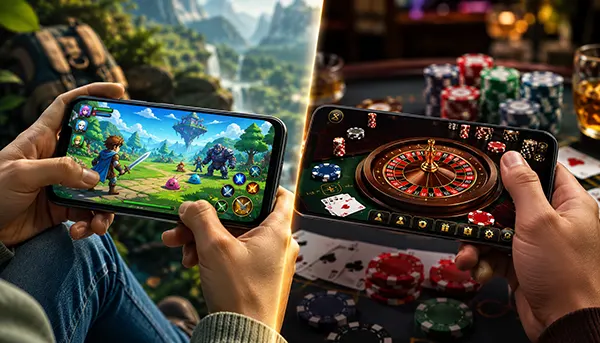
User Experience and Session Patterns on Smartphones
The design of mobile games often encourages longer engagement. Strategy games, role-playing titles, and simulation games may require players to manage resources, complete objectives, or participate in ongoing events. Developers frequently update content to maintain interest over months or even years.
Casino games are generally designed for quicker access. Players can launch an application, join a game within seconds, and complete a gaming session during a short break. This convenience has contributed to the growth of mobile casino gaming across regulated markets in Europe and other regions.
Technology has also influenced both sectors. Faster mobile processors, high-resolution displays, and stable internet connections have improved graphics, responsiveness, and overall usability. As a result, smartphone experiences now closely resemble those previously available only on desktop computers.
Social Features, Accessibility, and Player Expectations
Social interaction plays an important role in many mobile games. Players often join teams, communicate with friends, share achievements, and compete on leaderboards. Community engagement can become a major reason for continued participation.
Online casino applications typically place greater emphasis on convenience and accessibility. Features such as biometric login, secure payment methods, and optimised touch controls help users access games quickly. Live dealer products have also introduced a more interactive element, allowing players to participate in real-time gaming sessions from their smartphones.
By 2026, the line between different forms of mobile entertainment has become less visible from a technological perspective, but the underlying experience remains distinct. Mobile games are usually centred on progression, competition, and long-term engagement, while online casinos focus on immediate gameplay and chance-based entertainment. Both appeal to smartphone users, yet they satisfy different expectations and gaming preferences.