
Darkrise — Is This Retro Action RPG Worth Your Time on Android and iOS?
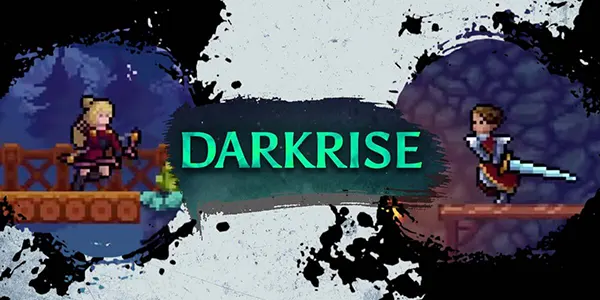
Darkrise is a mobile action RPG that deliberately moves away from modern trends and returns to a pixel-art style reminiscent of early console games. Developed as a lightweight yet content-rich title, it combines classic side-scrolling combat with RPG progression systems. As of 2026, the game continues to attract players who are looking for something more skill-based and less dependent on aggressive monetisation. This article examines whether Darkrise still deserves attention today, focusing on gameplay mechanics, progression systems, and overall player experience.
Gameplay Mechanics and Combat System
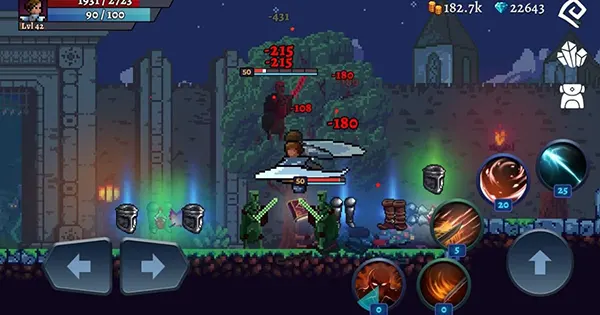
At its core, Darkrise is a 2D side-scrolling action RPG where players control a hero navigating through enemy-filled levels. The combat system is intentionally straightforward: attack, dodge, and use abilities. However, despite this simplicity, the gameplay demands timing and positioning, especially during later stages where enemies become more aggressive and unpredictable.
Unlike many mobile RPGs that rely heavily on auto-play features, Darkrise requires manual control. This design choice creates a more engaging experience, as success depends on the player’s reactions rather than passive progression. Boss fights, in particular, highlight this approach by introducing patterns that must be learned rather than brute-forced.
The game also includes different character classes, each with unique abilities and playstyles. Whether focusing on ranged attacks, magic, or melee combat, players can adapt their strategy depending on the challenges they face. This adds variety without overwhelming the player with unnecessary complexity.
Controls, Difficulty Curve, and Player Skill
The touch controls are responsive and well-optimised for mobile devices, which is essential for a game that depends on timing. Movement, attacks, and skill usage feel precise, even during intense combat scenarios. This technical reliability is one of the reasons Darkrise maintains a stable player base.
The difficulty curve is gradual but noticeable. Early levels serve as an introduction, while mid-game stages begin to test reflexes and understanding of enemy behaviour. By the late game, players are expected to fully utilise character builds and equipment bonuses to progress efficiently.
Importantly, the game does not artificially inflate difficulty through paywalls. Instead, progression is tied to skill and resource management. This makes Darkrise stand out in a market where difficulty is often replaced with monetisation barriers.
Progression, Loot, and Character Development
Darkrise uses a traditional RPG progression system based on experience points, equipment upgrades, and skill enhancements. Players earn rewards by completing levels and defeating enemies, which can then be used to improve their character’s performance.
The loot system is relatively straightforward but effective. Weapons and armour provide stat bonuses, and higher-tier items significantly impact gameplay. There is also an element of randomness, encouraging repeated runs of certain stages to obtain better gear.
Skill upgrades allow players to tailor their character to a specific playstyle. Instead of overwhelming players with dozens of options, the game keeps the system focused, ensuring that each upgrade feels meaningful and noticeable in combat.
Economy, Grinding, and Long-Term Engagement
Grinding is present, but it is not excessive compared to similar titles. Players who invest time into replaying levels can steadily improve their equipment without feeling forced to make in-app purchases. This balance contributes to a more sustainable progression loop.
The in-game economy is transparent. Resources such as gold and materials are earned through gameplay rather than locked behind complex systems. This clarity makes it easier for players to plan their progression and avoid unnecessary frustration.
Long-term engagement is supported by incremental upgrades and increasing difficulty. While the game does not rely on constant updates or seasonal events, its core loop remains satisfying for players who enjoy steady progression over time.
Visual Style, Performance, and Overall Experience
Darkrise embraces a pixel-art aesthetic that reflects its retro inspiration. The visuals are clean and functional, prioritising readability over graphical complexity. This approach ensures that enemies, projectiles, and effects remain easy to track during combat.
Performance is one of the game’s strongest aspects. Even on mid-range devices, Darkrise runs smoothly without noticeable frame drops. This optimisation is particularly important for an action RPG, where responsiveness directly affects gameplay quality.
The soundtrack and sound design complement the visual style without becoming intrusive. While not groundbreaking, the audio elements support the atmosphere and maintain consistency throughout the game.
Who Should Play Darkrise in 2026
Darkrise is best suited for players who appreciate classic game design principles. It rewards attention, patience, and mechanical skill rather than passive play. Those expecting cinematic storytelling or high-end graphics may find it too minimalistic.
For players tired of heavily monetised mobile games, Darkrise offers a more balanced alternative. Progression is achievable through gameplay, and purchases remain optional rather than essential.
Overall, Darkrise remains a relevant choice in 2026 for those seeking a focused action RPG experience on mobile. Its combination of responsive combat, fair progression, and stable performance makes it a reliable option within its niche.