

Undawn Mobile — Open-World Survival: A Beginner’s Guide
Undawn Mobile positions itself as a large-scale survival experience built around exploration, resource management, and cooperative gameplay. As of 2026, the game continues to receive updates that refine its systems and expand its open world, making it relevant for both new and returning players. This guide explains the core mechanics, progression strategies, and practical tips that help beginners avoid common mistakes during their first hours.
Getting Started: Core Mechanics and First Objectives
At the beginning, Undawn introduces players to its survival loop: gathering resources, crafting tools, and maintaining character stats such as hunger, hydration, and health. Unlike many mobile titles, the game requires constant attention to these parameters, especially during exploration in hostile zones. Early progression depends on completing tutorial quests that unlock crafting recipes and basic equipment.
The first hours should be focused on collecting wood, stone, and basic materials. These resources allow you to craft essential items like tools, weapons, and simple shelter upgrades. It is important to avoid unnecessary combat at this stage, as early enemies can quickly drain resources and force you into inefficient recovery cycles.
Another key element is understanding the map. Undawn’s world is divided into regions with different difficulty levels, climates, and loot quality. Staying within beginner-friendly zones ensures steady progression without overwhelming risk. Navigation tools and markers should be used actively to track objectives and resource locations.
Character Progression and Skill Development
Character development in Undawn is tied to experience points earned through missions, exploration, and crafting. Levelling up unlocks new abilities and improves survivability, but the system requires balanced progression rather than focusing on a single aspect. Players who ignore crafting or exploration will face limitations later.
Skills are divided into categories such as combat, survival, and gathering. Investing early points into gathering efficiency and stamina management provides long-term benefits, as these directly impact resource farming speed. Combat skills become more relevant once players start entering higher-risk areas.
Equipment upgrades also play a crucial role. Weapons and armour can be crafted and improved over time, but materials become increasingly rare. Managing resources carefully ensures that upgrades are meaningful rather than wasteful. Beginners should prioritise durability and versatility over raw damage.
Exploration and Resource Management Strategies
Exploration is central to Undawn’s gameplay. The open world includes abandoned cities, forests, and dangerous zones filled with enemies and valuable loot. Efficient exploration requires preparation, including sufficient supplies, repaired equipment, and knowledge of nearby safe zones.
Resource management becomes more complex as players progress. Items such as food and water are not only necessary for survival but also affect stamina and combat efficiency. Crafting consumables in advance reduces downtime and prevents unexpected setbacks during long expeditions.
Weather and environmental conditions also influence gameplay. Certain regions may require specific gear or preparation to avoid penalties. Paying attention to these factors allows players to plan routes effectively and minimise risks associated with exposure or limited visibility.
Efficient Farming and Inventory Control
Inventory space is limited, which forces players to make strategic decisions about what to carry. Beginners often collect too many low-value items, reducing efficiency. Prioritising rare materials and essential consumables ensures better long-term progression.
Farming routes can be optimised by identifying areas with high resource density. Returning to the same locations after respawn timers reset allows consistent gathering without excessive travel. This approach is especially useful for materials needed in crafting upgrades.
Storage systems within camps or bases should be used actively. Organising items into categories helps avoid confusion and speeds up crafting processes. Proper inventory management reduces time spent navigating menus and increases overall efficiency.
Combat, Cooperation, and Long-Term Progression
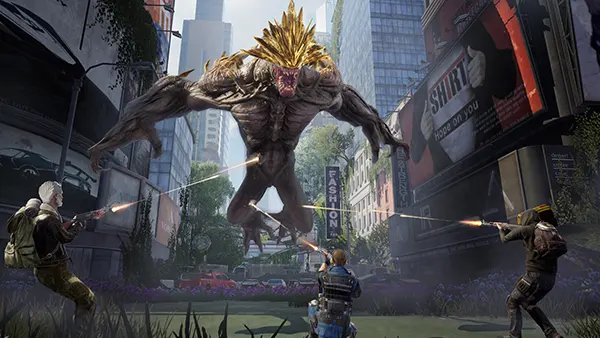
Combat in Undawn combines shooting mechanics with survival elements. Weapons require maintenance, and ammunition must be crafted or looted. Engaging enemies without preparation often leads to unnecessary losses, especially in mid- to late-game areas.
Cooperative play becomes increasingly important over time. Joining a team or community provides access to shared resources, group missions, and protection during exploration. Players who engage with cooperative systems tend to progress faster and encounter fewer bottlenecks.
Long-term progression revolves around base development, advanced crafting, and participation in events. Regular updates in 2026 introduce new challenges and limited-time activities, which provide additional rewards and keep gameplay dynamic.
Advanced Tips for Sustainable Progress
Balancing solo and cooperative gameplay is essential. While solo exploration offers flexibility, group activities provide efficiency and safety. Switching between these modes depending on objectives leads to more consistent results.
Monitoring resource consumption helps avoid shortages. Keeping a reserve of essential items such as food, water, and repair materials ensures readiness for unexpected situations. This becomes especially important during extended missions.
Finally, adapting to updates is key. Undawn continues to evolve, and mechanics may change over time. Staying informed about new systems and adjustments allows players to refine their strategies and maintain steady progress without falling behind.