
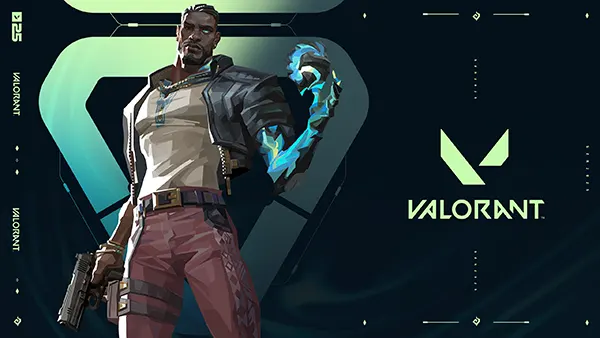
Valorant Mobile: Can the Mobile Edition Match the Success of the PC Original?
Valorant has become one of the most influential tactical shooters of the past decade, combining precision-focused combat with strong character design. With the announcement of Valorant Mobile, many players are wondering whether the handheld version can sustain the same competitive depth that made the PC title a global success. As of 2025, testing phases and gameplay leaks provide enough information to evaluate how the new version is shaping up and what players can expect from its long-term prospects.
Design Principles Behind Valorant Mobile
Riot Games aims to retain the strategic foundations of the PC title, ensuring that every agent, ability, and combat mechanic feels familiar. The mobile version is being developed with a dedicated control scheme rather than a direct port of the PC format. This approach allows developers to adapt the game to touchscreen environments without sacrificing tactical detail.
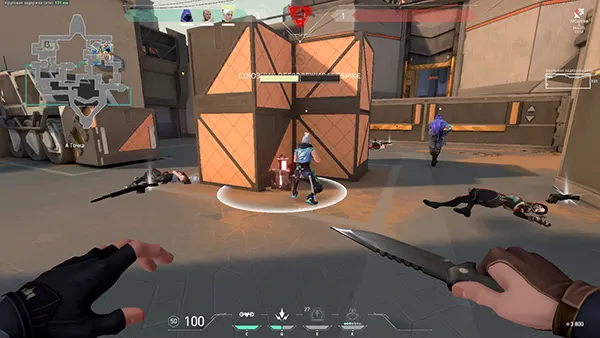
Current test builds indicate that maps such as Ascent, Haven, and Bind are returning with minimal layout changes. Their visual details have been adjusted to maintain performance across a wide range of smartphones, ensuring stable frame rates during intense matches. The artistic direction mirrors the PC version while using optimised assets to preserve clarity and readability.
Although mobile hardware varies significantly across markets, Riot Games is focusing on consistency. The company’s intention is to make competitive integrity a priority, offering balanced gameplay for both high-end flagship devices and mid-range models common in large gaming regions.
Control Adaptation and Mobile Gameplay
Touchscreen shooters often struggle with precision, but Valorant Mobile uses selectable control presets and custom HUD layouts to address this challenge. The ability to adjust sensitivity, button placement, and aim assist levels allows players to fine-tune the handling to match their preferred style.
Movement accuracy, recoil patterns, and weapon timing have been recalibrated for mobile play. These changes ensure that key weapons, such as the Vandal, Phantom, and Operator, behave predictably even with mobile-specific inputs. While this inevitably creates mechanical differences from the PC version, it helps maintain consistency in competitive environments.
Riot Games has also developed simplified ability triggers for each agent. Instead of complex keyboard input sequences, abilities use gesture-based commands and quick-access icons. Early testers report that this system improves the responsiveness of tactical actions during combat without overwhelming players.
Competitive Structure and Esports Potential
By 2025, the PC version of Valorant has firmly established itself as a global esports phenomenon. The mobile version is being positioned as a parallel ecosystem rather than a cross-platform extension, meaning players on PC and mobile will not compete together. This separation is intended to protect competitive fairness.
Riot Games is collaborating with regional tournament organisers to create grassroots competitions specifically for mobile players. Regions with strong mobile esports scenes, such as South-East Asia, India, and Brazil, are expected to become early adopters. This strategy mirrors the success of other mobile tactical shooters that built large followings through region-based leagues.
The long-term goal is to develop an international competitive circuit dedicated to Valorant Mobile. While plans for a world championship have not yet been formalised, community interest suggests that the competitive future of the mobile version has strong potential.
Ranking System and Matchmaking
Valorant Mobile introduces a ranking system inspired by the PC model but adjusted for shorter match durations. Each competitive match uses streamlined rounds designed to accommodate mobile gaming sessions, while still rewarding tactical decision-making and teamwork.
Matchmaking is driven by a skill-based algorithm that evaluates aim stability, ability usage, in-game economy management, and positional decision-making. These metrics help create balanced matches even as the player base expands during early adoption phases.
Cross-progression between mobile and PC accounts is limited to non-competitive elements such as cosmetic collections and player cards. This allows players to maintain a sense of identity without disrupting competitive balance across the two ecosystems.
Technical Performance and Device Compatibility
As of 2025, Riot Games has confirmed that Valorant Mobile will support a wide range of Android and iOS devices. The game uses dynamic resolution scaling and adaptive frame rate options, enabling smooth performance even on older devices. These settings are designed to prioritise responsiveness and reduce latency, which is crucial for tactical shooters.
Server infrastructure has been expanded to handle mobile matchmaking. Dedicated servers in major regions help minimise ping spikes and reduce packet loss, improving the reliability of each match. Early testers note that the connection quality is stable even in extended sessions, which is essential for competitive play.
The mobile client also benefits from regular security updates. Anti-cheat measures tailored for mobile operating systems are expected to be rolled out gradually, ensuring that early adopter regions can enjoy a fair environment during the game’s initial months.
Graphics, Battery Efficiency, and Customisation
Valorant Mobile features adjustable graphics settings that allow players to shift between performance and visual detail. Lower-end devices can use minimal textures and simplified shadows, while modern phones can take advantage of high-fidelity models and enhanced lighting.
Battery efficiency is a key focus, with the game using intelligent resource allocation to prevent overheating. This ensures that match performance remains consistent even during long play sessions, which is especially important for ranked play.
Players can customise visuals and HUD layouts to match their personal preferences. These options include crosshair adjustments, colourblind modes, and performance overlays, providing a high level of control over the gameplay experience.